The hook
The gaucho is to Argentina what the cowboy is to America: a working horseman, a folk hero and an idea the country sells about itself. The difference is that gauchos are still around. On the working estancias of Cordoba, Buenos Aires province, Salta and Patagonia, gauchos round up cattle, break in young horses and ride for hours every day in a way that hasn't fundamentally changed in 200 years. Stay at a working estancia for a week and you're not watching it as a heritage performance. You're living alongside it.
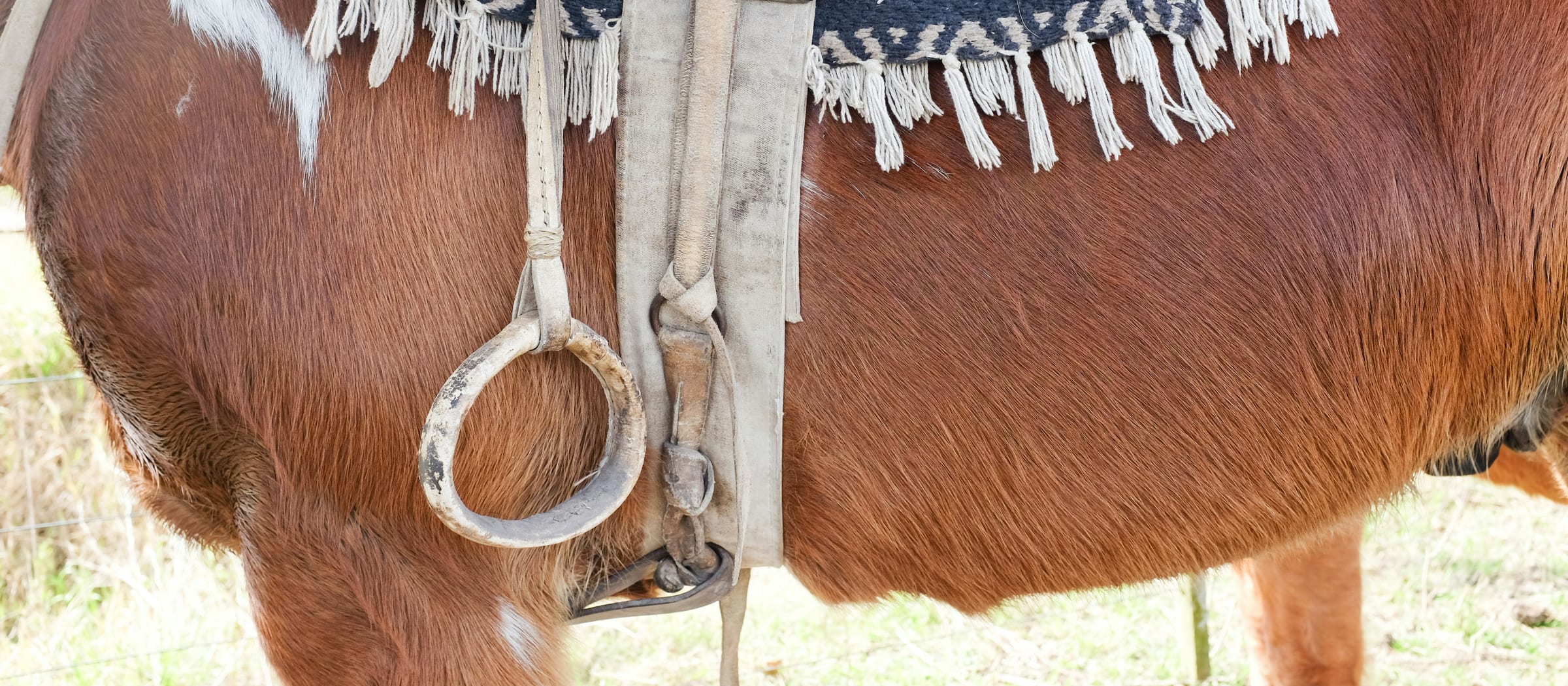
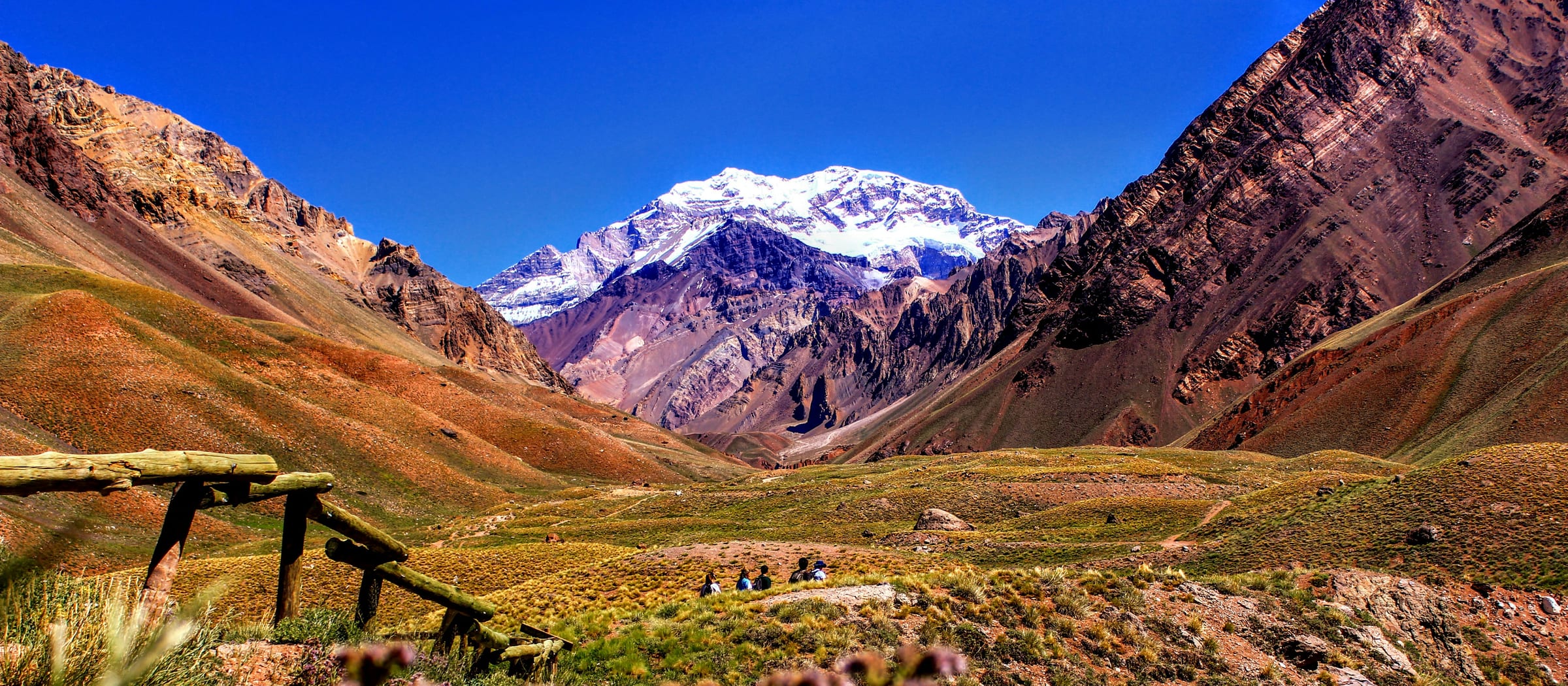
The riding is the point. Argentine criollo horses are tough, surefooted and built for all-day cattle work. The recado saddle (sheepskin layered over a wooden tree) is famously comfortable; gauchos sleep in them. The terrain ranges from rolling Cordoba sierras to Andean peaks to glacier-fed lakes in southern Patagonia. And the Argentine asado (open-fire grill of beef, lamb and chorizo, usually with a Malbec from the next valley) is the genuine reward at the end of a riding day.
Why Argentina
Argentina sells riding holidays on three legs: the horses, the gauchos and the food. None of them are tourist polish.
The horses. Criollos on most estancias, plus Peruvian Pasos at Estancia Los Potreros (a five-gaited breed similar in feel to the Icelandic horse, exceptionally smooth). The horses are bred and raised on the estancias, ridden hard by gauchos on working days, and treated with the patient respect of people whose livelihood depends on them. You're not riding lesson-school horses; you're riding genuine working stock.
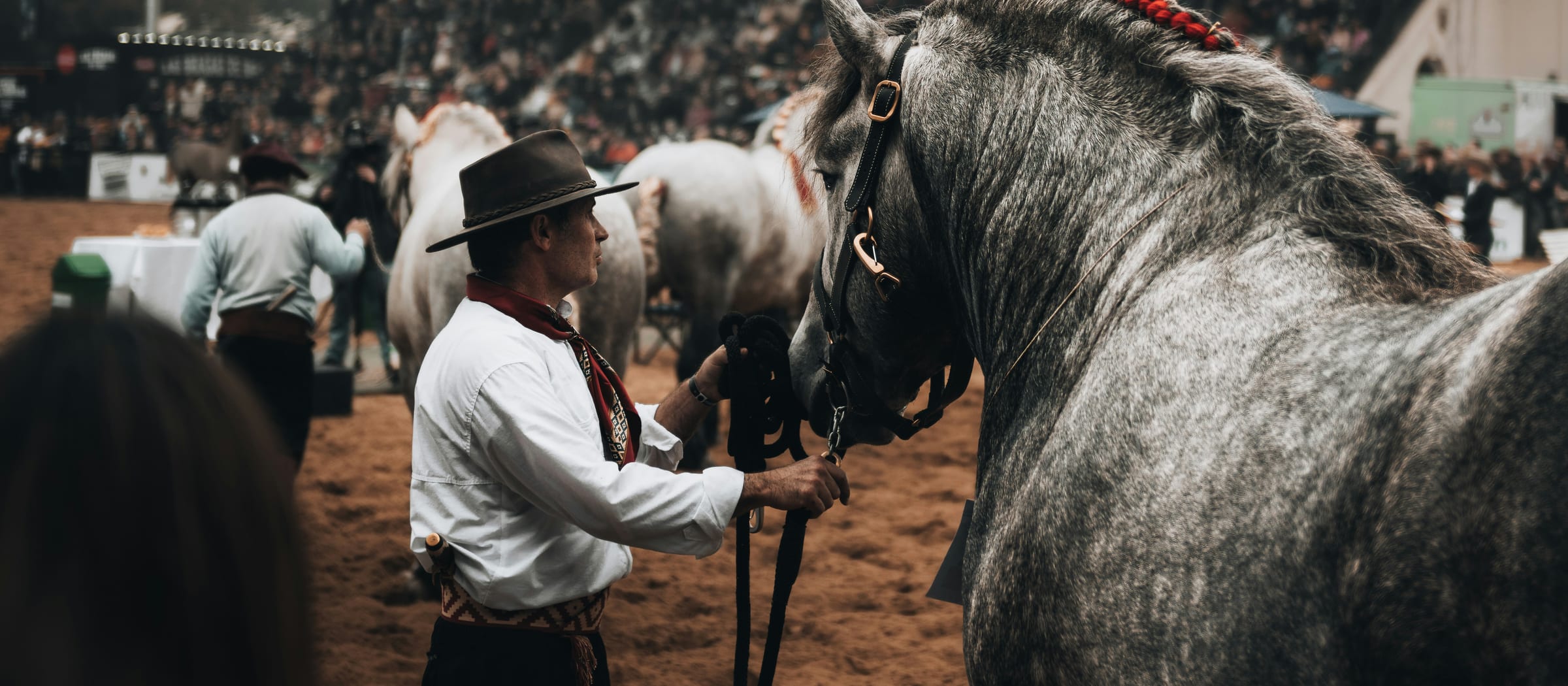
The gauchos. Real, not staged. They wear the boina cap, drink mate from the gourd, ride 10 hours a day when the cattle need moving and barely speak unless they have something to say. Spending time among them is one of the genuine cultural exchanges in equestrian travel.
The food. Argentine beef is the world's best, full stop. Estancia kitchens cook with what they raise. Mendoza Malbec or a torrontes from Salta with dinner. Tortas fritas (fried bread) round the fire. Asado lunches that go on for three hours.
Argentina is also better value than Africa or Iceland. A premium estancia week comes in below £3,500 all-inclusive, and that includes wine.
Who it's for
Cultural travellers who want a riding holiday that's also a country immersion. Argentina rewards the curious better than most.
Mid-tier intermediate riders. Most estancias welcome a wider ability range than Botswana, with separate ride groups for different paces. Total beginners are accepted at some (Los Potreros particularly).
Bucket-list and second-time riders. The "I've ridden in Iceland, where next?" crowd. Argentina is the natural follow-up.
Couples and small groups. Estancias are sociable, family-run, and the long meals encourage group bonding.
Polo curious. Argentina is the polo capital of the world. Estancia Los Potreros, La Bamba and several others offer polo lessons or the chance to play.
Solo travellers. Welcoming, safe, English-speaking on the visitor-facing estancias.
Less ideal for: riders who only want technical training (this is not a dressage destination), riders unwilling to ride 4 to 6 hours a day (typical), travellers wanting hotel-grade luxury (estancias are characterful, not five-star).
When to go
Argentina is the southern hemisphere; their summer is your winter, and the country is so long that climate varies dramatically.
Cordoba sierras (Los Potreros). Year-round. Mild winters (May-September), warm summers (December-February), spring and autumn the sweet spots. Buenos Aires province pampas. Year-round, with autumn (March-May) and spring (September-November) the best riding weather. Salta (north-west). Best March to November. Patagonia (Huechahue, Ranquilco, Nibepo Aike). Summer only, October to April. Mendoza wine country. Spring (October-November) and autumn (March-April).
What to expect
A typical week at Estancia Los Potreros:
- 7 nights in the family farmhouse, seven en-suite bedrooms
- Two rides per day (morning and afternoon), except Sunday morning only
- Mixed activities: trail riding, gaucho work observation, polo lessons, ride to "Top of the World" viewpoint, hidden waterfall ride
- Long lunches on the veranda, asado dinners, afternoon tea
- Full board, drinks included
- Transfer from Cordoba airport (under an hour)
Patagonia trips look very different. Estancia Ranquilco is off-grid, accessed by horseback, with multi-day pack trips into the Andes. You're sleeping in puestos (gaucho outposts) or under canvas. Estancia Huechahue is more accessible but still working, raising sheep and Hereford cattle alongside guests.
You'll ride in a recado saddle on most estancias. It takes a day to get used to. Stirrups are short by European standards. The saddle is comfortable for long days but unfamiliar. Hold the reins in one hand gaucho-style.
Practical info
- Flights from UK: London to Buenos Aires direct, 13.5 hours. Connecting flights to Cordoba (90 min), Bariloche/Patagonia (2.5 hours), Salta (2 hours) or El Calafate (3 hours).
- Visa: none required for UK passports
- Currency: Argentine peso (highly volatile; bring USD cash for best exchange)
- Vaccinations: none required for most regions, yellow fever recommended for far north
- Pack: own boots and helmet, breeches or jodhpurs, layered clothing (Patagonia is cold even in summer mornings), sun protection, light gloves
- Driving: estancias arrange transfers, you don't need a hire car
Saddl insider tips
- Argentina's currency volatility means published prices in pesos are unreliable. Always confirm in USD or EUR with the estancia. Bring cash USD for tips and incidentals.
- The recado saddle takes adjustment. Don't fight it for the first half-day; let your body adapt. By day two it'll be the most comfortable saddle you've ever ridden.
- If polo interests you, ask before booking. Los Potreros and La Bamba have proper polo facilities; others have a field and a willing gaucho.
- Patagonia is a serious adventure trip, not a holiday. Off-grid, weather-dependent, physically demanding. Don't book it as a first international riding holiday.
- The asado is part of the experience. Tell the estancia in advance if you're vegetarian and they'll cook for you, but missing the lamb or beef would miss the point.
- Combine with one or two non-riding days in Buenos Aires or Mendoza. Cultural and food contrast makes the riding stand out more.
Related readingThe Gaucho Derby: the greatest test of horsemanship in Patagonia