The hook
The Icelandic horse has five gaits. Beyond walk, trot and canter, there are two extras the breed alone is built for. The tölt is a four-beat lateral gait so smooth that most riders describe their first one as floating. The flying pace (skeið) is a two-beat gallop that can hit 30mph on flat ground.
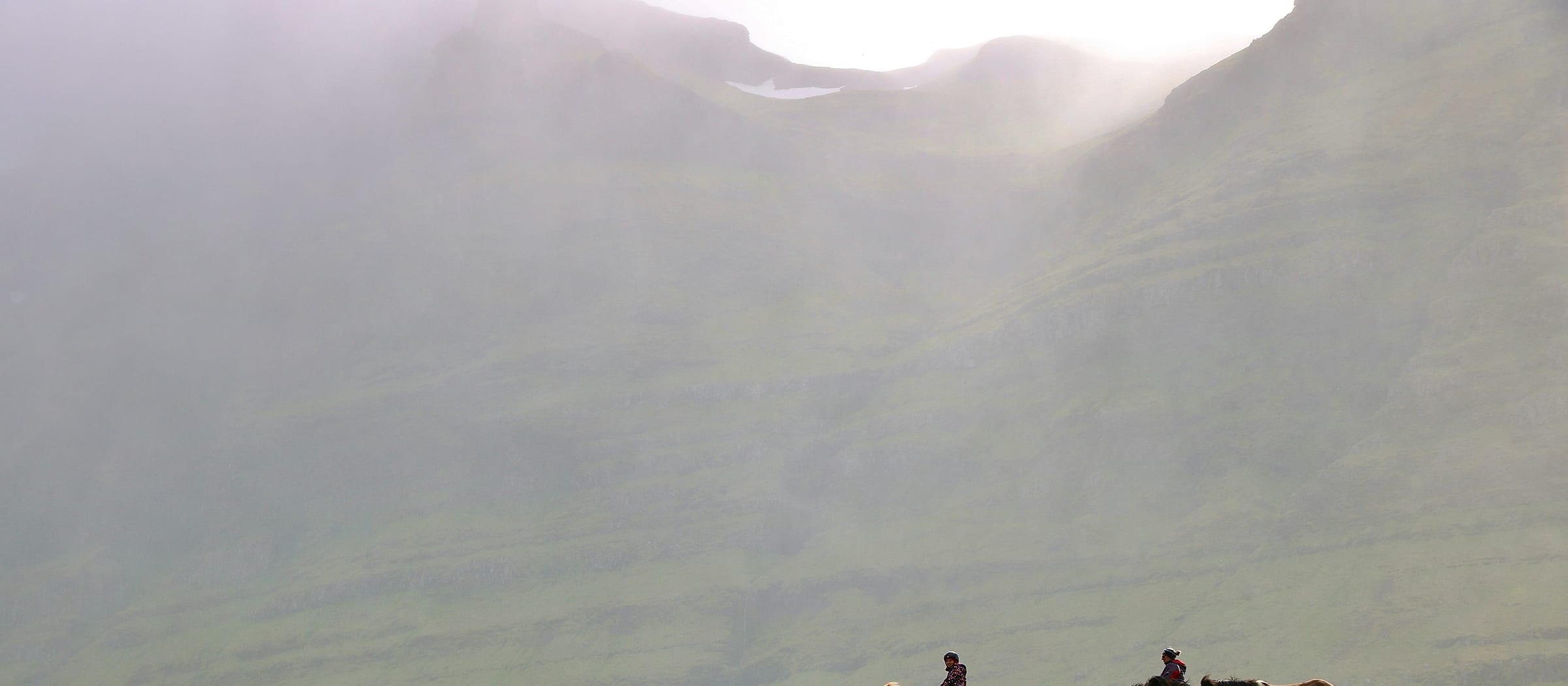
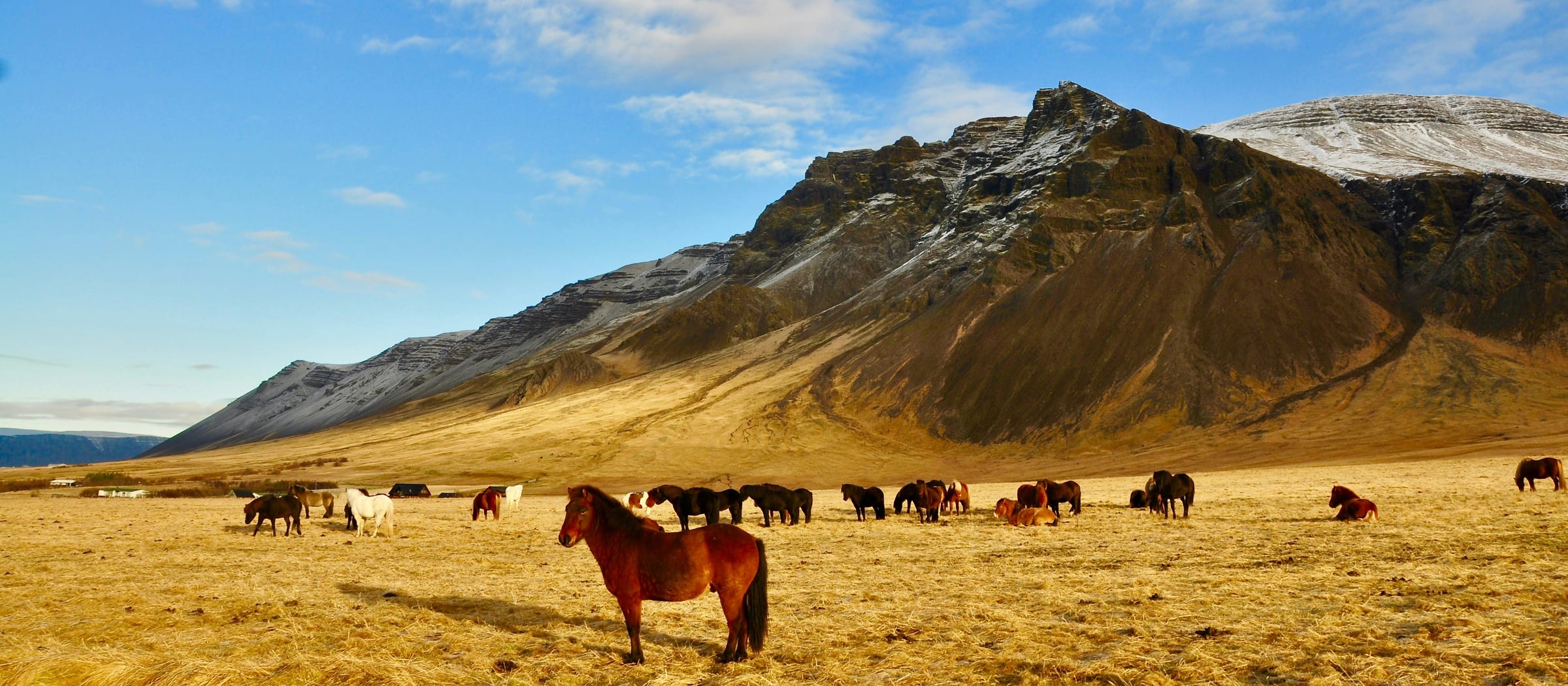
You can ride an Icelandic horse anywhere in the world. You can only ride one in Iceland in the landscape that shaped it. And once an Icelandic horse leaves the country, it can never come back. That biosecurity rule has kept the breed pure for over a thousand years and kept the horses you'll meet there fitter, sounder and closer to their working roots than almost any other equestrian destination on the planet.
Why Iceland
The horse is the headline. Everything else is the setting, and the setting is one of the most distinctive on Earth: black volcanic earth, milky-blue glacial rivers, lava fields softened by green moss, geothermal hot springs to soak in after a long day in the saddle. You won't ride a landscape like this anywhere else.
What sets Iceland apart commercially is the rare combination of beginner-friendly and exciting. Icelandic horses are surefooted, kind and built for terrain that would unsettle a warmblood, so first-time riders can have a real experience on day one. At the same time, multi-day herding tours with free-running herds of 60-plus horses are some of the most demanding rides in the world. One destination, both ends of the market.
Who it's for
Bucket-list riders wanting a genuinely unique experience. The tölt is the closest thing horse travel has to a single-purpose hook.
Solo travellers, especially women. Most operators run mixed-ability group tours where a solo booking quickly turns into a group of new friends. No single supplement on shared accommodation is common.
Returner riders who haven't ridden in years. Icelandic horses are forgiving and the gait teaches you how to sit again.
Friends going as a pair or small group. Multi-day tours suit a 2-to-6 person trip well.
Less ideal for: young children (most multi-day tours are 12+), serious dressage riders looking for technical training, riders who only want luxury (it exists but it's a smaller share of the market here).
When to go
June to September is peak season and the only window for highland multi-day tours. Long daylight hours, accessible mountain routes, the famous midnight sun in late June.
May and October are shoulder. Day rides and farm-based tours run; highland routes may be partly closed. Cheaper, smaller groups.
November to April offers snow rides and dramatic light. Day tours only, mostly from Reykjavik. The northern lights overlap is a bonus.
Average temperatures June to August: 10 to 13°C. Layers and waterproofs are non-negotiable in any season.
What to expect
Day tour from Reykjavik: 1 to 3 hours, includes a short intro lesson on Icelandic riding style. Good entry point if you're already in Iceland for other reasons.
Farm-based 4-day tour: stay at one farm, day rides into the surrounding country. Lower physical demand, more relaxed.
Highland herding tour, 6-8 days: the premium experience. Free-running herd of 60 to 70 horses moves with you. You change horses each day. Cover 25 to 35km per day. Hot tub at most overnight cottages. Strong intermediate fitness required.
Tölt clinic add-on: some operators run dedicated tölt training days. Worth it if you want to take the gait home in your body memory rather than just experience it once.
Practical info
- Flights from UK: 3 hours, multiple daily from London, Manchester, Edinburgh
- Visa: none required for UK passport
- Best base: Reykjavik for short tours, Akureyri for the north, farm pickup for multi-day
- Currency: Icelandic króna (ISK)
- Pack: own riding boots, gloves, layers, waterproofs. Most operators supply helmet and outer waterproofs.
Saddl insider tips
- Don't book the cheapest 1-hour Reykjavik day tour expecting a real Iceland horse experience. Skagafjörður or Borgarfjörður farms give you the breed in its proper setting.
- Be honest about your weight and experience when booking. Operators match horse to rider carefully and the right horse will tölt with you all day. The wrong one will trot through it.
- Highland tours in July and August book out 6 to 9 months ahead. Plan early.
- Solo travellers: Globetrotting and In The Saddle are the most solo-friendly with no single supplement on shared rooms.
- The Icelandic riding helmet you'll borrow is usually fine. Bring your own if you're particular about fit.
- Drink the tap water. It's some of the best in the world and free everywhere.